A new section for parents
Music for Kids
Every kids song here is rated twice: once for age-appropriateness (with an explicit confidence score, not a blanket "E for Everyone"), and once for sensory profile (the same dynamic range + sudden changes + texture ratings we use site-wide). Built especially for parents of kids who feel music strongly — because a song that delights most 3-year-olds can still trigger a meltdown in a sensory-sensitive one.
Build a playlist for your kid
Pick age, goal (bedtime, calm-down, car ride, morning...), and energy curve. We build the sequence from songs rated for that age.
Browse by age
Infants & toddlers 0–2
See all →Still being rated — check back as the library grows.
Preschool 2–4
See all →Still being rated — check back as the library grows.
Early elementary 4–7
See all →Still being rated — check back as the library grows.
Browse by theme
Ready-made playlists
Pre-built and sensory-graded. Click a combination that matches your situation.
Browse by moment
Why binary age labels fail sensory-sensitive kids
Most kids music is labeled "E for Everyone" or put in a general "Kids" playlist. Those labels are about lyrics — no swearing, no adult themes. That's useful, but it's only half the picture.
The other half is sensory. A song can have completely clean lyrics and still ambush a sensory-sensitive three-year-old with a sudden drum fill, a screeching synth, or an abrupt key change. Parents learn this the hard way — a bedtime playlist that ended with a rock cover, a car-ride mix that included a song with mouth-clicking percussion, a "calm down" set that actually escalated things.
We rate every song here twice. Once for age-appropriateness (content + cognitive match). Once for sensory profile (dynamic range, sudden changes, texture, vocal style, and four misophonia-specific triggers). Both ratings come with a confidence score. We will tell you when we are not sure.
This is for parents of kids who feel music strongly — ears that notice everything, big reactions to sudden sounds, trouble with certain textures — though most parents will find it useful regardless. If a song works for a sensitive four-year-old, it works for basically every four-year-old. The reverse is not true.
How to actually use this section
- Playing music for a specific moment? Go to Build a playlist. Pick age + goal + energy curve. Get a 10-song playlist in 2 seconds.
- Looking for one song? Go to the library. Filter by age, intensity, or misophonia-safe. Every song shows its age confidence and sensory badges.
- Wondering about a specific song you heard somewhere? Go to Analyze a Song. Type the title and artist. We analyze it on the fly (free, 3 checks a day).
- A song missed the mark for your kid? Click any song and use the feedback buttons — "Triggered a meltdown," "Too scary," "Rated too young." Every signal makes the ratings better.
How we rate age-appropriateness
- Lyrical content — no explicit language, no adult themes
- Thematic content — handles subjects like death, fear, loss appropriately for age
- Sensory profile — dynamic range, sudden changes, texture suitable for developing ears
- Cognitive match — repetition, call-and-response, participation invitations appropriate for age
- Confidence score — every rating shows how sure we are. Lower confidence means verify with your child first.
This is not medical advice. Every child is different. If you have a sensory-sensitive child, start songs at low volume and watch their reaction. The feedback button on every song lets you report if a rating missed the mark.
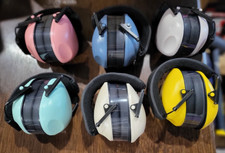
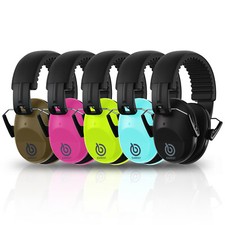
Ear protection sized for kids
For loud places — fireworks, concerts, sporting events — kids’ ear defenders cut volume without blocking everything out. Independently chosen tools listed on eBay. We may earn a commission from these links, at no extra cost to you.