
Memory
Memory by Andrew Lloyd Webber is 66 BPM — Adagio (slow).
Half-time 33 BPM · Double-time 132 BPM · released 1981
Song DNA
Right in the middle of our energy scale. The track has a big quiet-to-loud range with just a little movement, over a multi-layered texture. A big, expressive vocal out front, at a slow pace. It’s easy enough to follow without going flat. Against the 19,209 songs we’ve measured, it sits more energetic than 68% of songs, calmer than the rest.
Cultural Context
An iconic piece from Cats, often performed in various contexts beyond the musical.
Listening Prompt
Reflect on memories that hold significance in your life.
What to Expect
Andrew Lloyd Webber's 1981 original cast recording carries a dynamic range of 8 — one of the higher scores for a track at the moderate sensory level. That range means the distance between quiet and loud moments is substantial, and listeners should calibrate volume to the expected peak before beginning. Sudden changes are only mild despite that range, meaning the arc builds rather than lurches. Tempo is slow at 66 beats per minute. Texture is layered. Vocals are rated dynamic, indicating meaningful shifts in expressiveness throughout. The mood profile covers cathartic, contemplative, and melancholy — this is a track for emotional engagement, not background use. Recommended for focus, meditation, and sleep. The combination of dynamic vocal performance and a range score of 8 makes this more demanding than a first glance at 'moderate' might suggest. Sensitive listeners who respond strongly to emotionally expressive vocal delivery should note this before choosing it for recovery listening.
Hear it the way it was made
The right gear changes everything.
Moods: cathartic, contemplative, melancholy
Traditions: musical theatre
"Memory" climbs hard.
Dynamic range 8/10 places this in our upper band. The opening volume that feels comfortable will not be comfortable at the climax. If you are setting this up for a focused listen, anchor your volume to the quietest section, not the loudest. The arc is the point of the song; if you blunt it by riding the volume knob, you lose what makes it work. Andrew Lloyd Webber built the dynamic shape on purpose. Plan around it.
How this song sits on each sensory axis
A dynamic range of 8/10 is in the upper band of our library. This song has a significant quiet-to-loud arc. For sensory-sensitive listening, set the opening volume well below your comfortable top-end; the climax will land harder than the intro suggests.
Sudden changes: mild. There are one or two transitions worth knowing about, though they're musically resolved rather than surprise-driven.
Texture is layered — a full arrangement with clear separation between parts.
Predictability is medium — conventional structure overall, with one or two moments that deviate from what you'd expect.
Vocal style: dynamic vocals.
1981 context
Released in 1981. We have 194 songs from that year in our library, averaging a dynamic range of 6.4/10. This track is about average than the year average. Explore more from the 1980s.
Explore by mood and tradition
Guides that may help
How fast is "Memory"?
66 BPM — Very slow (ballad / ambient)
Too slow for most running; good for warm-up walks or cool-down.
Warm-up, cool-down, yoga, stretching.
Sleep, meditation, reading, focus work.
Browse more songs at 66 BPM.
When "Memory" works, and when it doesn't
Use-case verdicts computed from the song's tempo, dynamics, and sensory profile.
No — too dynamic or too many surprises. Save for active listening.
No — 66 BPM is too slow for sustained cardio.
No — contains elements that will keep an awake nervous system engaged.
Yes — predictable enough for safe driving attention, interesting enough to stay engaged.
Yes — sits in the background without demanding attention.
Yes — this is a song for actively feeling what you came to feel, not for background.
Related reading
Editorial guides that cover this song's use cases, moods, or artist.
The Calmest Songs We’ve Ever Measured
Out of 19,144 songs scored for intensity, these measure as the very calmest — the gentlest, steadiest, lowest-energy music in the library. A…

Why Post-Rock Works for Focus — The Logic of Slow Builds
Why post-rock holds attention that slides off everything else: long builds, few sudden changes, and enough happening to occupy the part of y…

How to Build the Perfect Focus Playlist for Work — A Sensory-Rated Approach
How to Build the Perfect Focus Playlist for Work — A Sensory-Rated Approach — A guide for sensory-sensitive listeners on musiciwant.com
Why this rating
We rate this song Moderate because it falls between our Safe and Intense thresholds on at least one dimension. Moderate is the default for most well-produced music that has real arc but no surprise elements. Full rubric: methodology.
See how “Memory” sits against your own sensitivities, or use it as a waypoint in a calmer set.
Listen on
Spotify and YouTube links go direct to the track when we have the ID; otherwise they search for it. Embed this sensory profile on your site →
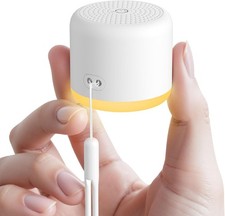
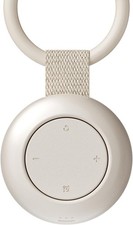
For calm, low-stimulation listening
Independently chosen tools listed on eBay. We may earn a commission from these links, at no extra cost to you.


Rating last reviewed: 2026-06-20. Reviewed by the Music I Want editorial team against the documented methodology.
Think this rating is wrong? Contact the editor — every message is read and ratings get revised.
By the numbers: how this song compares
Computed from this song’s place among the 19,209 songs we’ve measured.
Where it sits in 19,000 songs
On our 19k-song scale this lands in the middle band — more energetic than 68% of songs, calmer than the other 32%. Its intensity reading of 52/100 comes from a dynamic range of 8/10, layered texture, mild shifts, and dynamic vocals. It shares this stretch of the spectrum with thousands of other tracks, so the finer fingerprint below is what really separates it.
What makes it unusual
What stands out most about this song is a slow, unhurried pace: more extreme on that axis than 96% of everything we've measured. At the far opposite end of the library sit the songs built on full chaos — sudden changes, huge quiet-to-loud swings, and relentless energy — the kind of track this one is the counterpoint to.
Feels almost identical to
Closest matches by feel across all 19,209 measured songs — not by genre or artist, by how they actually move.
What it’s good for
Scored from this song’s tempo, intensity, dynamics and texture — not crowd votes.
1981 in context
The 194 songs we’ve measured from 1981 average a dynamic range of 6.4/10. At 8/10, this track is louder and more dynamic than its year.
Mixes smoothly with
Within a few BPM and close in feel — they flow without a jarring transition.
The fingerprint
The 8-dimension measurement behind every rating on this page.
Frequently asked about "Memory"
Quick answers pulled from the song's sensory analysis.
What is the BPM of "Memory" by Andrew Lloyd Webber?
"Memory" by Andrew Lloyd Webber has a tempo of 66 BPM (Adagio (slow)). At half-time that is 33 BPM, and at double-time 132 BPM.
What is the sensory intensity of "Memory" by Andrew Lloyd Webber?
"Memory" by Andrew Lloyd Webber rates as Moderate intensity. Dynamic range 8/10, mild sudden changes, layered texture. Moderate is the default for well-produced music with real arc but no surprise elements.
How loud is "Memory" — what is its dynamic range?
"Memory" has a dynamic range of 8/10. Substantial quiet-to-loud arc. Start at a volume well below your top-end; the climax will land harder than the intro suggests.
Does "Memory" have sudden or surprising changes?
"Memory" has mild sudden changes — one or two transitions worth knowing about, but they are musically resolved rather than surprise-driven.
What is "Memory" best for?
In our library "Memory" is recommended for: focus, meditation, sleep. These tags are assigned only where the song's sensory profile genuinely supports the use case.
When was "Memory" released?
"Memory" is from 1981, on the album "Cats (Original Cast Recording)". It appears in our 1980s catalog.
What is the emotional mood of "Memory"?
We tag "Memory" as cathartic, contemplative, melancholy. Moods are tonal descriptors based on how the song reads emotionally — separate from the sensory intensity axes.
What is the vocal style of "Memory"?
The vocal style is dynamic vocals.
Is "Memory" good for running?
Not really — at 66 BPM it's below most running cadences. Better for warm-up, cool-down, or walking. Recreational runners typically step at 140-175 BPM.
Is "Memory" good for studying?
Only partially. The song's dynamic range (8/10) means there will be loud moments that break focus during deep work.
Can I use "Memory" for sleep?
Not recommended for sleep. Contains transitions that will wake you up.
Should I listen to "Memory"?
"Memory" is Moderate intensity — fine for most listeners, but with enough dynamic activity that it works best as active listening rather than background.
Songs with the same DNA
layered texture, similar intensity — across any genre or era.
Safer alternatives with a similar feel
These songs share similar moods but with a gentler sensory profile.
What this song means to people
No stories yet. Be the first.
Share what this song means to you
You know how this one feels — now go find the next one.